Turn Monthly Maintenance Into Compounding SEO Wins
Technical SEO is not a one-time project. Search engines and AI systems keep crawling, learning, and reshaping how results show up, whether we pay attention or not. If our sites drift out of alignment, small technical issues can quietly drain traffic, conversions, and visibility in AI-driven search.
A monthly maintenance-driven SEO QA workflow keeps that from happening. Instead of random cleanup, we follow a recurring process that checks indexation, redirects, schema, and Core Web Vitals, then fixes issues before they spread. Over time, this rhythm turns basic website maintenance and support services into steady SEO gains that stack month after month.
Agencies and growing businesses can also use this workflow to prove value. When each month ends with clear before-and-after reporting, it becomes much easier to show teams and stakeholders what got fixed and how that work protects traffic and leads. Midyear is a smart time to lock this in, so systems are stable before peak Q3 and Q4 demand hits.
Build a Monthly Technical Audit Rhythm That Scales
We like to think in terms of a simple QA calendar. Instead of trying to squeeze in tech checks when something breaks, block a recurring 90-minute slot each month. Decide who owns it, whether that is an internal person, your agency, or a technical partner like Eight Hats here in Louisiana.
In that slot, you focus on four consistent pillars:
- Indexation hygiene
- Redirect validation
- Schema integrity
- Core Web Vitals verification
Tool access should be set up once and kept stable. At a minimum, you want:
- Analytics for behavior and conversions
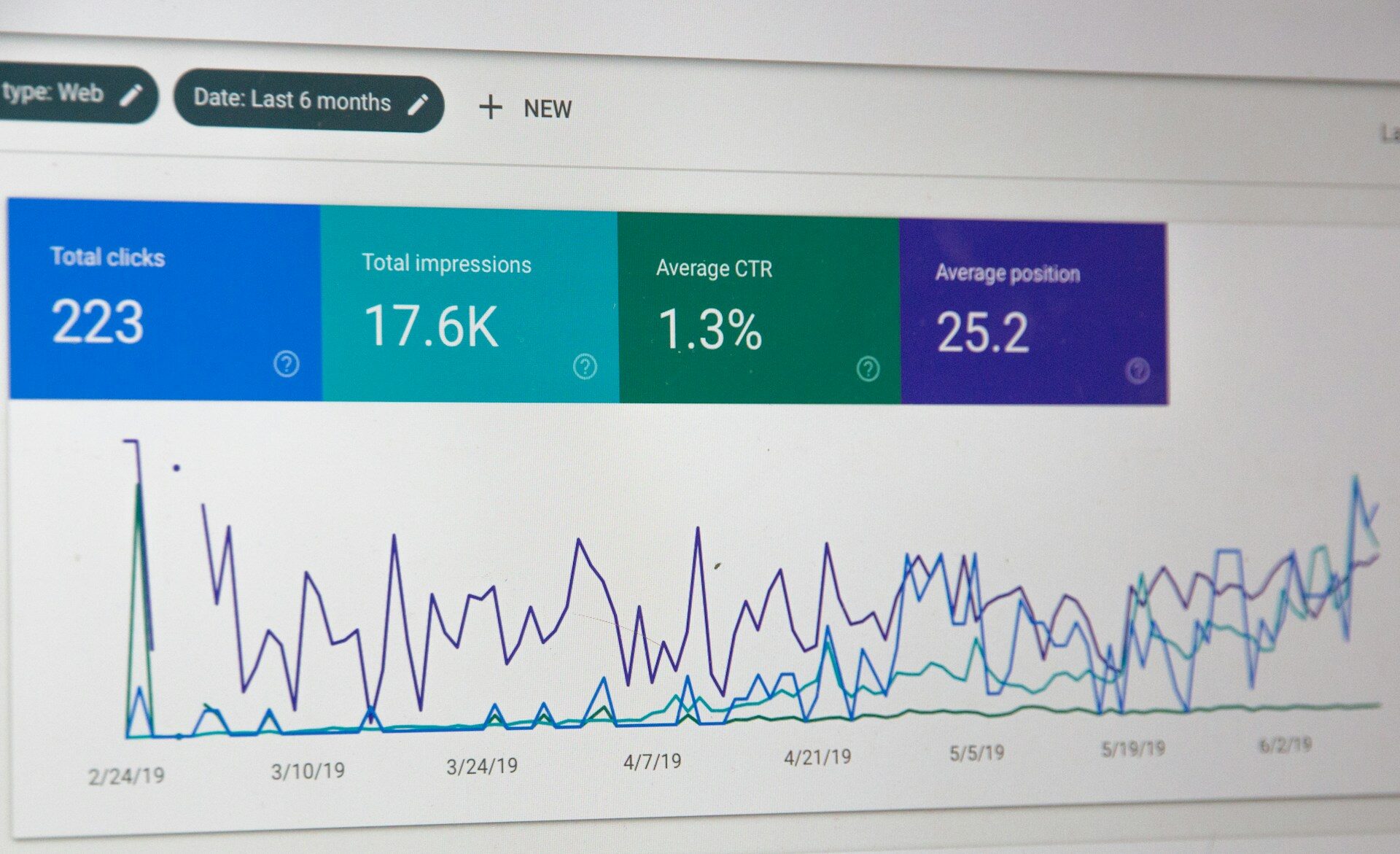
- Search Console or similar for crawl and coverage
- Server access or logs for deeper crawling patterns
- A crawling tool to scan URLs, redirects, and tags
- Performance dashboards for Core Web Vitals
Store logins and dashboards in one shared place so your team is not chasing passwords each month. When this rhythm is in place, website maintenance and support services stop being reactive. You move from fixing fires to running a repeatable growth practice that can be packaged, priced, and delivered in a consistent way.
Indexation and Redirect QA That Protects Your Traffic
First, check if search engines can see what actually matters. Your monthly indexation review should cover:
- Crawl stats to see how often key areas are visited
- Coverage reports to catch excluded or erroring URLs
- Sitemap health so important pages are listed correctly
Look for non-indexed pages that should be visible, soft 404s where thin or broken content is wasting crawl budget, and odd spikes in blocked or duplicate URLs. When you catch these early, you stop slow leaks in organic traffic.
Next, run a quick redirect audit. Focus on:
- Confirming that important moved URLs use 301, not 302
- Removing long redirect chains and loops
- Updating legacy redirects after structural or content changes
You do not need to check every URL each month. Start with top traffic pages, key landing pages, and any recent changes.
To show progress, keep a simple before-and-after template for indexation and redirects:
Before:
- Coverage metrics for key sections
- Critical error types and counts
- Top 10 affected URLs and what is wrong
After:
- Fixes applied for each issue type
- New coverage metrics or trends
- Short notes on traffic or ranking shifts for key pages
By repeating this, you build a track record. You can point to specific issues that would have cost organic traffic and show how consistent QA avoided that loss.
Schema and Entity QA for AI-Driven Search Visibility
Schema is no longer just about rich snippets. Clean, accurate structured data also helps AI systems understand who you are, what you do, and where you do it. That matters a lot for local and regional brands.
Each month, run a schema validation pass across your main templates. Focus on:
- Checking JSON-LD for syntax errors and warnings
- Keeping Organization and LocalBusiness markup correct and aligned with your current name, address, and phone
- Making sure Product and Article schema match real content, prices, and details
Then look at entity clarity. Ask questions like:
- Do our brand name, services, and locations match across schema, on-page content, and major listings?
- Are we using the same phrasing for key services, or are we splitting signals with lots of variations?
- Is location data consistent, especially if we serve more than one city or region?
Use another before-and-after template for schema work:
Before:
- Number of pages with valid schema
- Error and warning types by template
- Missing markup types that matter for your business
After:
- Issues resolved and pages cleaned
- New schemas deployed and where
- Any changes in rich result impressions or AI-style mentions you can see
This type of cleanup supports generative engine optimization. When your entities are clear and your schema is clean, AI assistants have a much easier time choosing your brand as a trustworthy answer in overviews and conversational results, not only in classic blue links.
Core Web Vitals Checks That Keep Conversions on Track
Core Web Vitals are like a regular health check for speed and UX. Each month, pull both lab and field data, then focus on your main revenue templates: homepage, service, product, and blog.
Look closely at:
- LCP (how quickly the main content loads)
- INP (how responsive the page feels when users interact)
- CLS (how much content jumps around while loading)
Use a lightweight diagnostic flow:
- Identify which templates or URL groups are underperforming.
- Map slowdowns to specific assets like oversized images, blocking scripts, heavy fonts, or third-party tags.
- Rank fixes by impact so your dev team can target the biggest wins first.
Your before-and-after CWV report can stay simple:
Before:
- CWV scores by template
- Percent of good URLs by device type
- Largest gaps between mobile and desktop
After:
- Specific optimizations completed, such as image compression or script deferral
- Updated scores and whether templates moved into the good range
- Any early lift in engagement or conversions where you can measure it
Doing this work in the summer often pays off later when Q4 traffic climbs. A smoother, faster site is less likely to buckle when campaigns, holiday offers, or seasonal spikes push more people into your pages.
Turn Your Monthly QA Into Proof of Value and Growth
Now tie everything together. Combine the before-and-after pieces from indexation, redirects, schema, and Core Web Vitals into one monthly Maintenance-Driven SEO Report that people outside the tech team can read.
A simple structure works well:
- What we checked
- What we found
- What we fixed
- What changed in traffic, visibility, or user experience
Keep the language clear and skip deep technical jargon. Screenshots and short notes help. Over a few cycles, this turns website maintenance and support services into a clear source of protection and growth, not just a line item.
From there, you can formalize the process into a service line, supported in-house, through your agency, or with a partner like Eight Hats handling the technical side. Define your first monthly QA date, pick your tools, tailor the templates to your stack, and decide who owns what. Once that rhythm is in place, small, steady fixes start compounding into long-term wins for search, AI visibility, and revenue.
Get Started With Your Project Today
If you are ready to stop worrying about plugins, backups, and security issues, our team at Eight Hats is here to help you keep everything running smoothly. Explore our tailored website maintenance and support services to find the right level of ongoing care for your site. When you are ready to move forward or have questions about what fits your needs, simply contact us so we can discuss the best next steps together.